If you have any questions or need assistance during the Summit, please speak to a member of the GUA team. If you can’t find us, use the contact form below and we’ll get back to you as soon as we can.
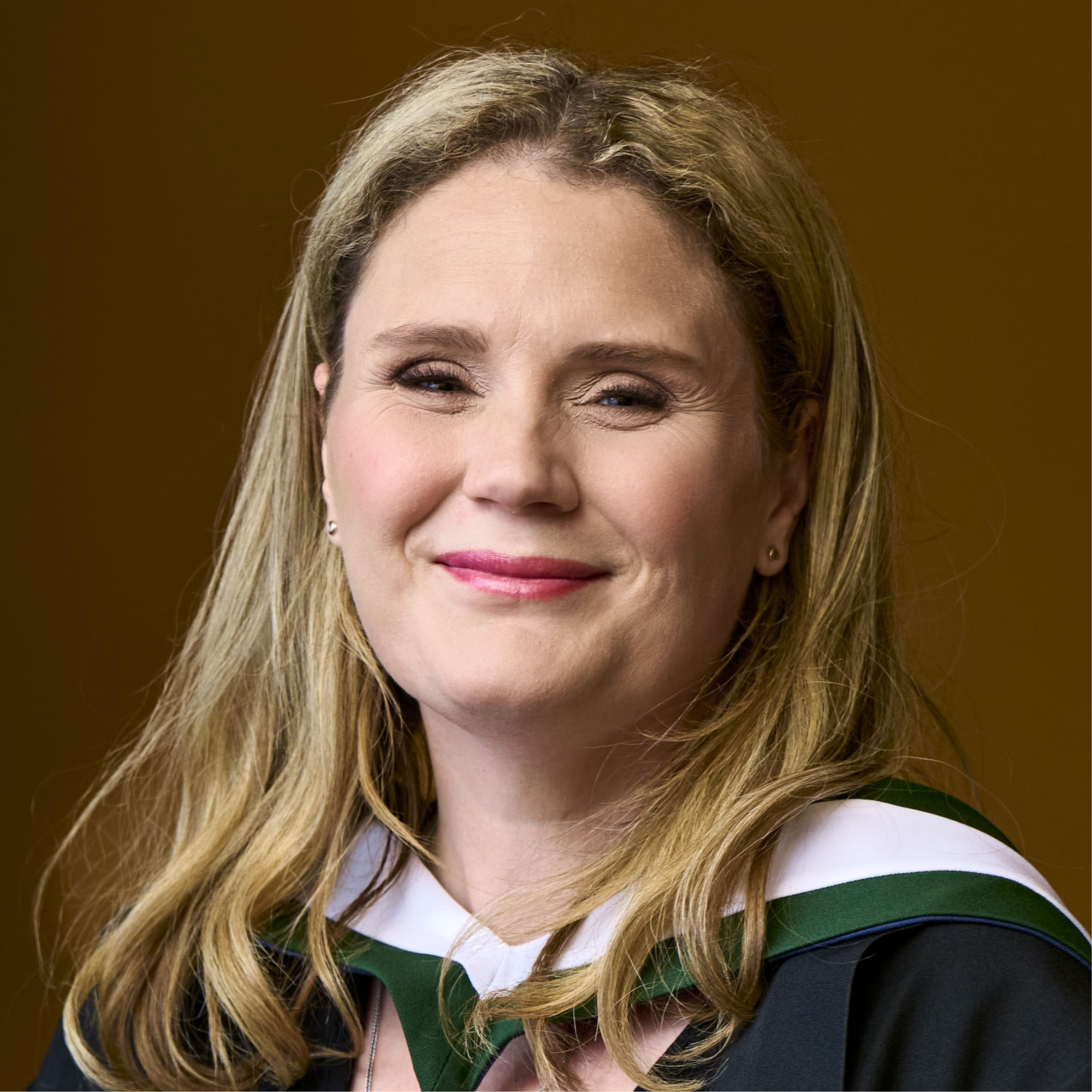
Iman recently graduated with honors from the American University of Sharjah with a Bachelor of Architecture. Drawn to the field for its intersection of art and problem-solving, her approach is research-driven and context-specific, with a strong interest in sustainability. She’s especially interested in designing spaces that engage the senses and create strong emotional connections.
She works iteratively across sketching, physical modelling, and digital tools, with a close attention to detail. Her work has been recognized with the 2026 Turab Prize and a nomination for the RIBA President’s Medal (Silver). In the future, she wants to continue contributing to projects that are thoughtful and meaningful to the communities they serve.
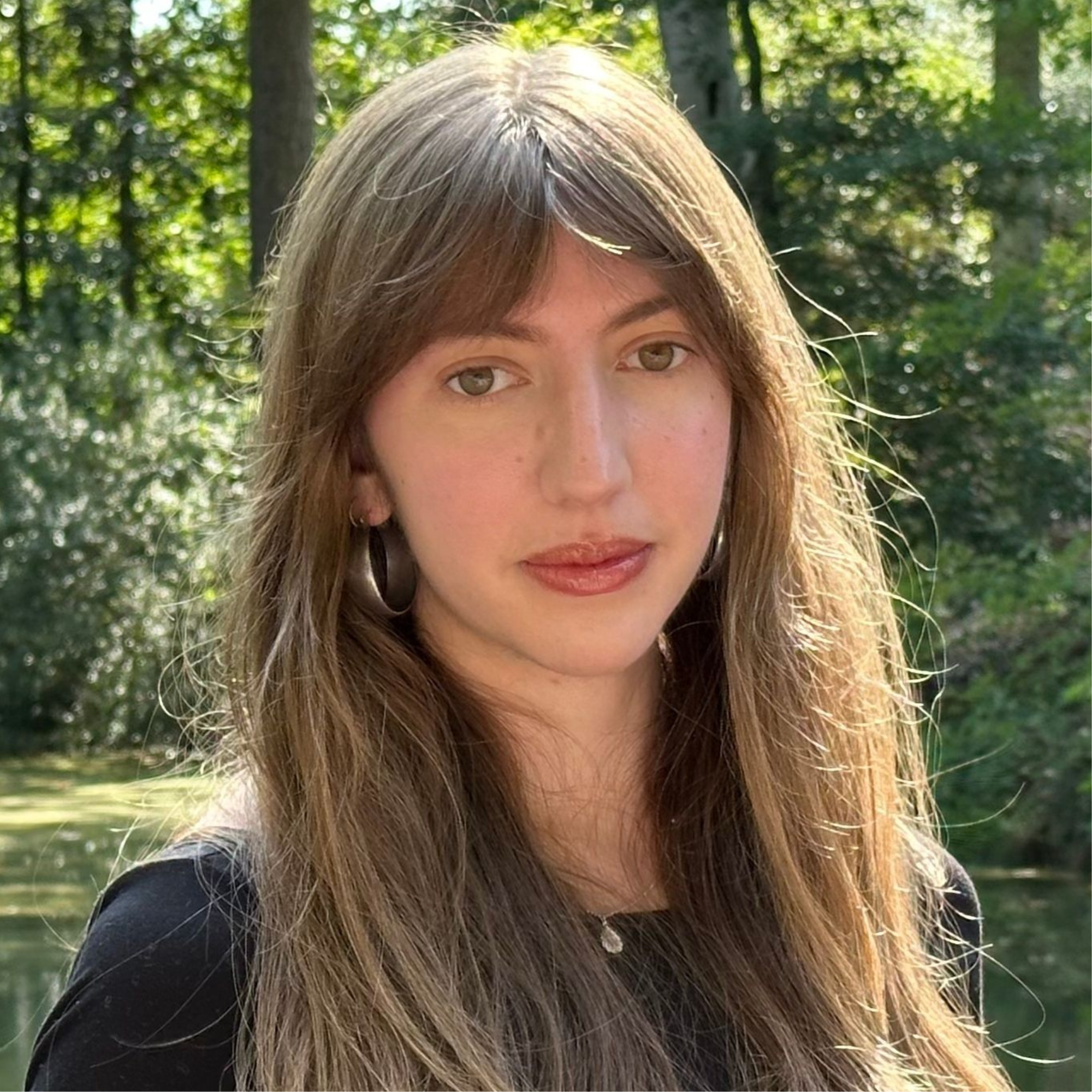
Areebah recently completed her Bachelor of Architecture at the American University of Sharjah, graduating with honors. Her work explores how architecture can move beyond ideas of permanence and control, responding instead to the environments and conditions that shape it. She is particularly interested in low-carbon construction, material transformation, and the integration of ecological systems into architecture. Among her recent recognitions are the 2026 Turab Prize and a nomination for the RIBA President’s Medal (Silver).
Her approach is driven by a curiosity for how these ideas can shape new ways of thinking, designing, and building.
Winning Paper: The Limits of Recognition: Artistic Superfluity and the Paris Salon in the 1860s
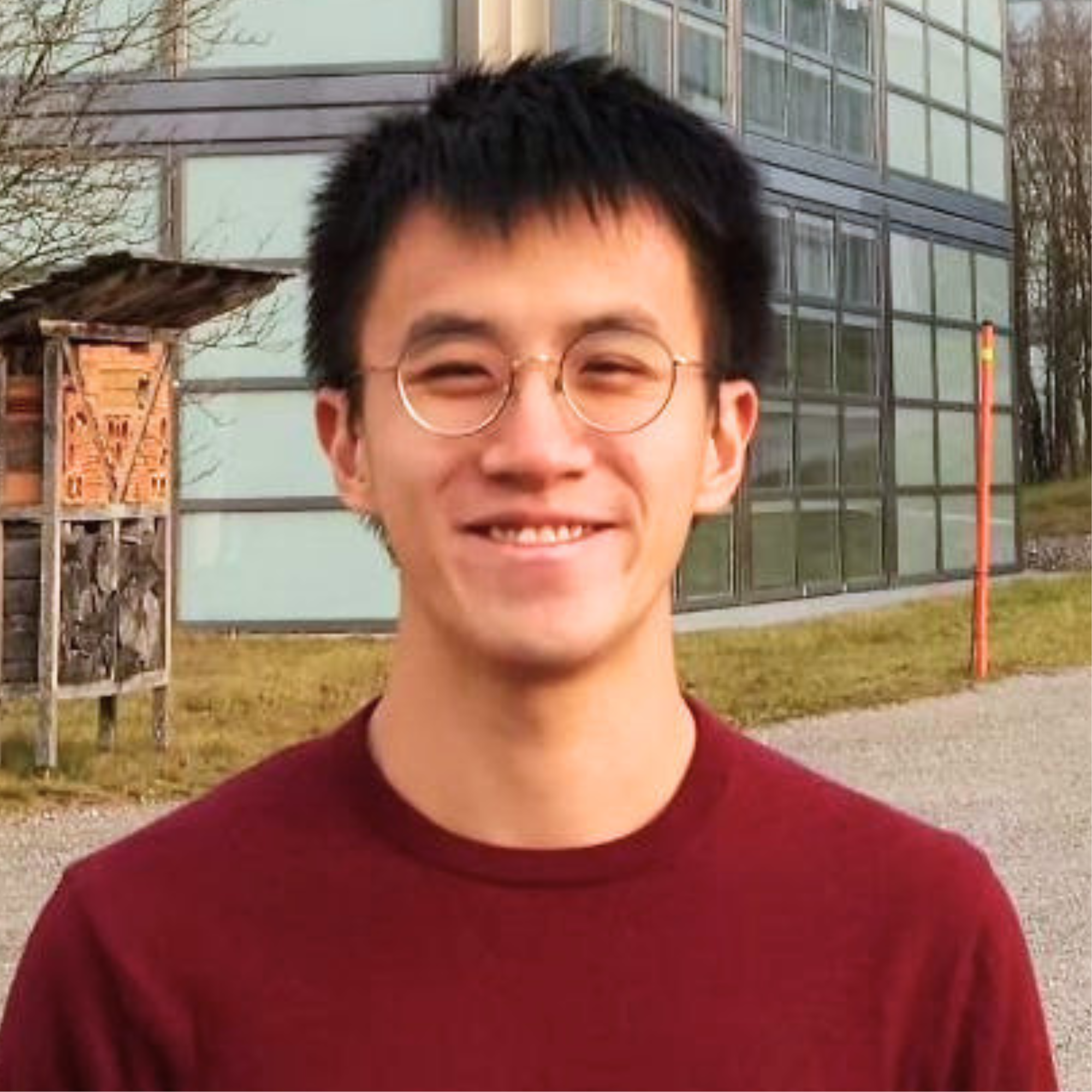
Leo Yang is an MSc Political Theory student at the London School of Economics (LSE) and a recent graduate of Queen’s University, where he studied Politics, Philosophy and Economics (PPE) with a minor in Art History.
His interests lie at the intersection of political thought, art and intellectual history, particularly how institutions shape whose ideas and creative contributions endure.
His winning research examines the transformation of the nineteenth-century Paris Salon and the rise of Impressionism, asking how institutional reforms reshaped artistic recognition and created new possibilities for artists previously rendered “superfluous” by the academic system.
Beyond art history, Leo has published several papers in a national policy magazine and served for two years as a University Senator at Queen’s University.
Winning Paper: The Cost of a Daughter: How Dowry Shapes Education and Social Norms in Rural India
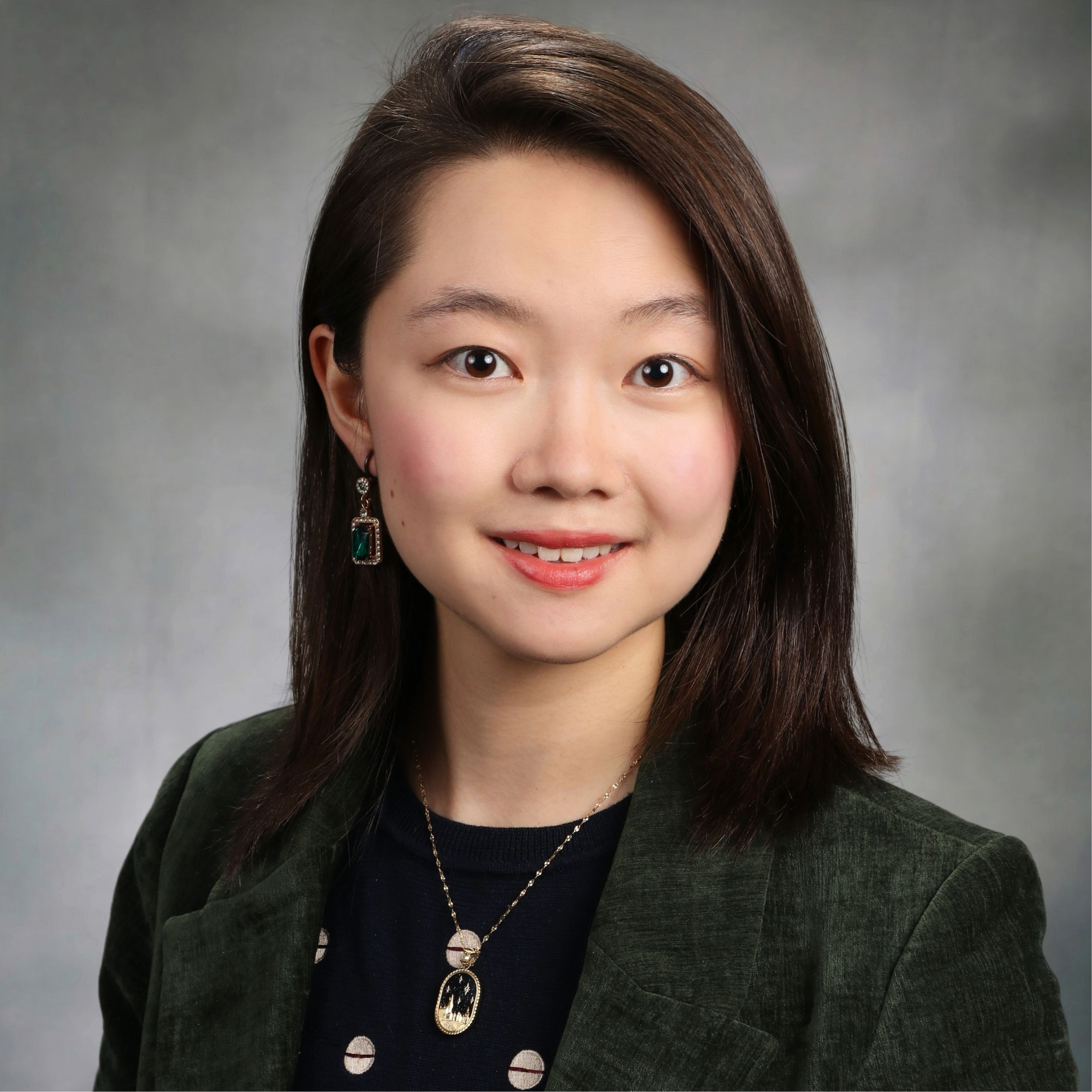
Malavika Rajesh is a recent graduate of NYU Abu Dhabi, where she majored in Economics with minors in Applied Math and Political Science. A University Honors Scholar and Girls Who Invest Scholar, she has worked as a research assistant at the NYU Stern Center for Business and Human Rights and on international political economy. She is also the author of two fiction books, the founder of The Informed Inquirer (a youth collective teaching media literacy), and former youth advisory board member at Born This Way Foundation.
Her interest in the economics of gender began closer to home in the questions raised by growing up as part of the Indian diaspora in the Gulf—a thread that runs through both her research and her creative writing.
Her winning paper, her undergraduate capstone, uses two rounds of the Rural Economic and Demographic Survey to show how anticipated dowry obligations reshape household investment in children’s education, and why the practice persists through within-caste conformity.
Chung Hean graduated with a Bachelor of Science in Chemistry and Biological Chemistry from Nanyang Technological University (NTU), Singapore. His award-winning paper combined surface organometallic chemistry with rigorous spectroscopic characterization to interrogate a model Pt-Sn catalytic system used in the generation of propene, one of the most important building blocks in the global petrochemical industry.
Following graduation, he plans to return to NTU for a PhD in Chemistry, focusing on organometallic chemistry and asymmetric catalysis, with the aim of discovering new reactivities relevant to pharmaceutical synthesis.
Max Juszkiewicz is in his third and final year at Durham University, studying for a Combined Honours degree in Classics and Politics, specialising in ancient philosophy.
His award-winning paper, which reconstructs the democratic argument underlying the text of the Anonymus Iamblichi (DK 89.1-7), was written during his second year. His upcoming dissertation research (supervised by Professor Phillip Horky) continues to develop on themes of classical Greek political philosophy and its reception.
He aims to continue this research as a postgraduate, diving deeper into ancient political philosophy and potentially investigating the Anonymus’ democratic theory further.
Andrew Ni recently graduated from Brown University’s Program in Liberal Medical Education (PLME) with an Honors Sc.B. in Neuroscience and Computational Biology, and is now an MD/PhD student at the Warren Alpert Medical School.
His research applies deep learning to single-cell genomics, spanning glioblastoma, neurology, and immunology, with 11 peer-reviewed publications. His winning entry, written as a senior honors thesis with Dr. Ritambhra Singh, introduces a deep generative model that recovers splicing dynamics to improve single-cell trajectory inference.
In the future, Andrew aspires to become a surgeon-scientist, leading a neuro-oncology lab that leverages AI and emerging technologies to develop personalized treatments for patients.
Janebelle is an Environmental Studies graduate from the National University of Singapore. Her winning thesis examined how sediment properties and root structures in Singapore’s mangroves shape communities of macrofauna, an understudied group of invertebrates that play a vital role in keeping these habitats functioning. She found that fine roots were a key local driver of these macrofaunal communities, suggesting that what lies below ground deserves a place alongside typical aboveground yardsticks when measuring restoration success.
Now working as an environmental consultant, Janebelle is passionate about bridging ecological research and practice to support more effective coastal conservation and management.
Winning Paper: Generative AI in Higher Education – Student Reliance Profiles and Problem-Solving Performance
Liu Yanzhi is a final-year Computer Engineering undergraduate at Nanyang Technological University, Singapore, where she is observing firsthand how generative AI is reshaping the way students learn.
Motivated to understand this shift, she worked with Assistant Professor Zhu Gaoxia‘s team at the National Institute of Education on a person-centred study of how students rely on generative AI during problem-solving.
By identifying students’ distinct reliance profiles and how the differences in profiles relate to their performance, she hopes the findings will help universities guide students to use AI as a thoughtful collaborator rather than a shortcut.
Michelle recently graduated from Western University in London, Canada, with a Bachelor of Arts (Honours Specialization) in Media, Information and Technoculture.
She is particularly interested in the study of historical and contemporary social movements and ecopolitical discourse.
Michelle’s award-winning paper, developed during her final year of undergraduate studies under the guidance of Dr. Basil Chiasson, explores the distinct ways in which anti-Apartheid organizations in the Netherlands mobilized collective memory in their advocacy efforts, and the implications of these approaches.
She is currently pursuing her Master of Arts in Cultural Analysis and Social Theory at Wilfrid Laurier University in Waterloo, Canada.
Dailan Xu is a senior at Harvard College studying History and German studies, with a minor in European History, Society, Politics and a citation in French. Her research focuses on global intellectual history and cross-cultural exchange between modern China and Germany, particularly the circulation of ideas, knowledge, and concepts across national boundaries and the role of historical narratives and frontier studies in nation-building.
Her award-winning paper, written under Professor Ann Blair’s sophomore intellectual history tutorial, explores how nineteenth-century German ideals of historical “objectivity” and Rankean Quellenkritik were transmitted to Republican China and reshaped through the scholarship of Chen Yinke, revealing tensions between “scientific” historiography and cultural nationalism.
Ida Opas is a fourth-year law student at the University of Helsinki, currently studying at the University of Geneva. Her academic interests lie in EU competition law, European and cross-border business law, and questions at the intersection of law and economics.
Her winning paper examines the tension between the social-policy objectives of collective bargaining and the EU’s objective of preserving effective competition. Focusing on company-level collective agreements, the paper explores whether the rationale of the Albany doctrine can extend beyond traditional sectoral bargaining.
Ida aspires to pursue a career in European competition and business law, combining rigorous legal analysis with an understanding of economic and cross-border contexts.
Winning Paper: Investigating Chromatin Loop Dynamics using LiveFISH imaging
Vitalii graduated from the University of Dundee in 2026 with a BSc in Biological Sciences, achieving First Class Honours.
His honours project explored how human chromosomes fold and are organised within the cell nucleus. Using a new microscopy method, he investigated how key factors dynamically regulate chromosome organisation. His findings shed new light on how this process could go wrong to cause cancers and congenital disorders.
He is currently pursuing an MSc by Research in Life Sciences at the University of Dundee and hopes to pursue a PhD in molecular biology, with interests in chromosome biology and gene regulation.
Eugene is currently a MA (Research) in Linguistics student at Nanyang Technological University. He recently graduated from NTU with a double major in Psychology and Linguistics & Multilingual Studies. His honours thesis was a description of tones and tone sandhi in a subvariety of Hakka spoken in Singapore, with reference to historical tone categories.
His winning paper, written for a course in historical linguistics, offers a critical analysis of the principle of strict unidirectionality in grammaticalization.
Eugene is interested in functional-typological approaches to language and in working among minority language communities, particularly those in the Mainland Southeast Asia linguistic area.
Rose Anderson is a fourth year undergraduate studying English in the St. Andrews William and Mary Joint Degree Programme.
Her research focuses on the intersections between contemporary literature, poststructuralist philosophy, and human rights. She was the 2026 recipient of the St. Andrews School of English Prize for Decolonising Literary Studies.
Her winning paper analyzes the translative poetics of Yousif Qasmiyeh and Caroline Bergvall through the lens of Deleuze and Guattari’s concept of deterritorialization, arguing that these poets use translation to reimagine concepts of linguistic boundary in order to create spaces within language wherein migrant voices can be heard.
Winning Paper: Rabinovitch’s Theorem and Gauss’ Class Number One Problem
Zihe (Julia) Zhang 张子荷 is a fourth-year undergraduate at the National University of Singapore, majoring in pure mathematics. Alongside her major, she takes minors in Chinese linguistics, German, and Asian studies; she is also a hobby columnist and a certified translator & interpreter.
The winning paper grew out of Zihe’s Undergraduate Research Opportunities Programme (UROPS) project, supervised by Associate Professor Chin Chee Whye, focusing on an interesting and elementary treatment of Gauss’ class number one problem, a classical problem in number theory that remains partially open today.
Zihe is currently working with Assistant Professor Goh Jun Le on her final-year project in set theory, mainly on characterizing the Alephs via studying special subsets of Euclidean n-space. Looking ahead, she is planning to pursue graduate studies in mathematical logic.
Winning Paper: Decoupling TDP-43 Nuclear Loss from Aggregate Toxicity Reveals an Early and Therapeutically Reversible Window in ALS
Wesley Leong studied Life Sciences at the National University of Singapore. During his undergraduate studies, Wesley pursued learning and research opportunities at Yonsei University, the Chinese University of Hong Kong, Karolinska Institutet and Harvard University. These experiences shaped his interest in developing biological tools to study and treat disease.
Alongside research, Wesley is interested in education, particularly how interdisciplinary learning and mentorship help students develop as independent thinkers.
He was previously recognised as Highly Commended in the Life Sciences category of the Global Undergraduate Awards. Wesley hopes to build a career in academia that brings together research, teaching and mentorship.
Dexter (he/they) is a final year student of Linguistics and English Literature at NTU. He is interested in examining the languages, literatures and cultures of Southeast Asia, where he calls home.
His paper historicises the development of the Kelantanese version of Wayang Kulit, a Malay shadow puppet theatre, to argue that this theatre form exemplifies a persistent spirit within Southeast Asian theatre to continuously engage its audiences in a form of communal artmaking. This paper was supervised by Associate Professor Charlene Rajendran.
Outside of school, Dexter is a human rights advocate for transient migrant workers, creative writer and aspiring multimedia journalist.
Aisling Thomas is a Registered Nurse, mature student, mother of five, and the first in her family to attend university. She recently graduated with a Master’s degree with Distinction from Queen Margaret University, Edinburgh, and has been awarded a studentship to undertake a Master’s by Research at the University of Glasgow as part of the ETECH – Embedding Technology in Care Homes project. A UK-wide research study looking at how care homes use digital technology in everyday care and support.
Aisling currently works as a Community Nurse with NHS Lothian, where she combines her passion for community nursing and research. Her interests include health equity, trans healthcare, neurodiversity-affirming practice and improving outcomes for marginalised communities through research, education and healthcare.
Robert graduated from Trinity College Dublin with a First Class Honours in Philosophy in 2026. Having begun his undergraduate degree studying Mathematics & Philosophy, his research is primarily focused on the analytic tradition, spanning philosophy of mathematics, philosophy of mind and language, logic, and metaphilosophy (with particular interests in infinity and cardinality, conceptual idealism, and questions of existential import and ambiguity). His secondary interests include ancient philosophy, aesthetics, and ethics.
Currently, Robert is running an endeavour to introduce Philosophy to Ireland’s Leaving Certificate curriculum, because of his view that education (especially in philosophy) is extremely important for students, now more than ever – philosophyforleavingcertificate.com.
He also works with the Modus Ponens Institute to bring philosophy extracurriculars to students in Ireland and beyond, and acts as an English language editor for the open-access journal MetaScientia.
He is presenting research at various conferences across the coming months. Alongside this, he is seeking funding to pursue postgraduate study in philosophy.
Katelyn Sherry graduated with First Class Honours in Political Science from Trinity College Dublin in 2026, having also studied at Sciences Po in Paris. Her research interests are driven by questions of who gains political representation, who does not, and how institutions shape those patterns.
Her winning paper, developed from her final-year dissertation, compared ethnic minority political representation in London and Paris. Faced with gaps in the available data, she built an original dataset covering 410 councillors and combined quantitative, spatial and qualitative analysis to examine how citizenship regimes and local political contexts help explain variation in representation.
Katelyn is also a Laidlaw Trailblazers Women in Leadership Scholar and recipient of the EIL Explore Award, which supported an eight-week teaching placement in Hanoi, Vietnam. She now works at European Movement Ireland on EU education and public engagement, and hopes to continue developing her research interests through further study and professional experience.
Abigail recently completed a Bachelor of Psychological Science (Honours) at James Cook University Singapore. Her award-winning paper was an abridged version of her honours thesis, which examined how the satisfaction of basic psychological needs (autonomy, competence and relatedness) may contribute to different components of meaning in life (coherence, purpose and significance).
Alongside her studies, Abigail works as an Associate Psychologist, counselling adolescents and adults. This work has strengthened her interest in how people make sense of themselves and their experiences, and what helps them move towards meaningful change.
She hopes to pursue postgraduate training in clinical psychology.
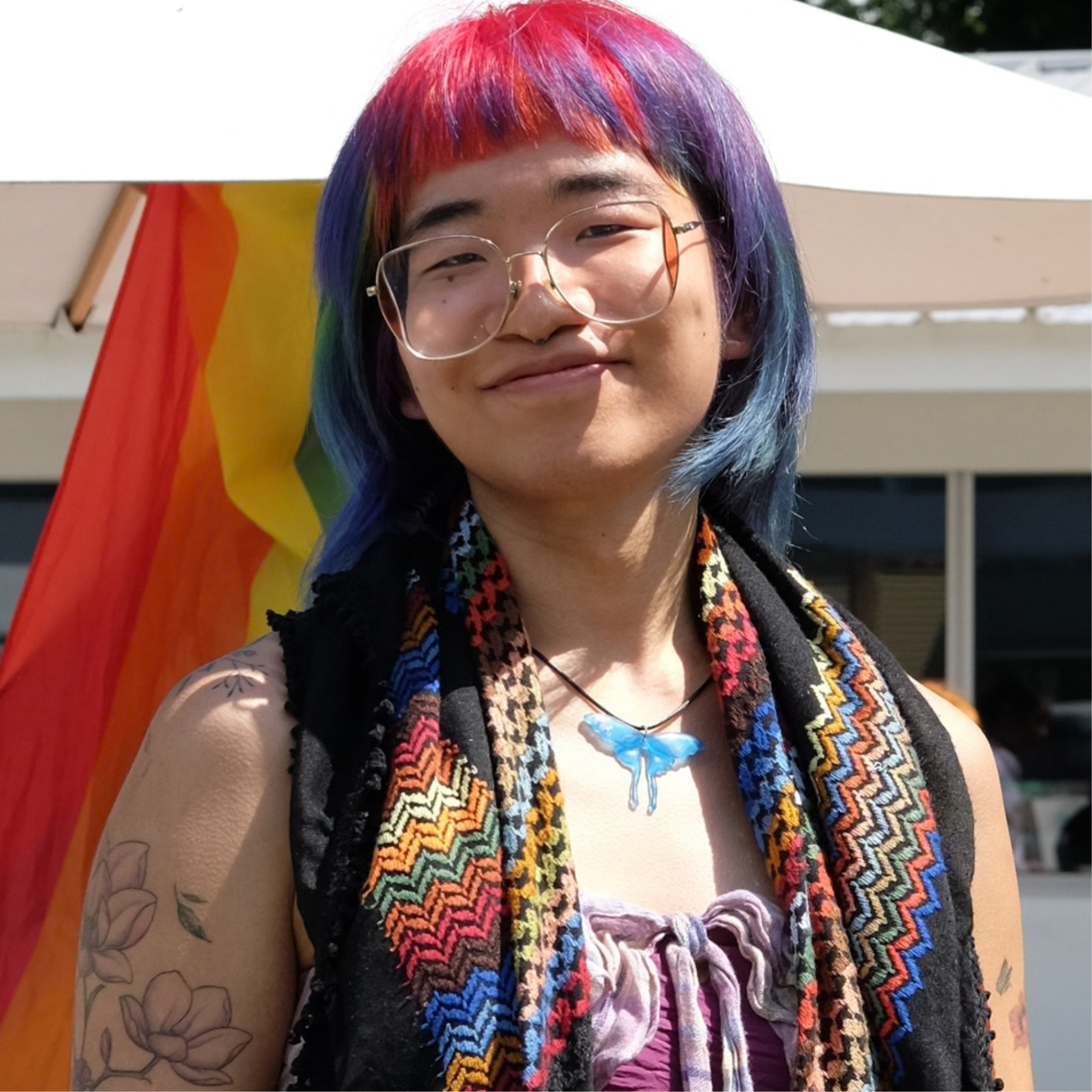
Now graduated from Yale-NUS College in cultural anthropology and currently studying modern and contemporary literature at the University of Glasgow. Her academic and creative endeavors explore queer possibilities of collective survival on an increasingly unlivable planet, and wayward relationships of care that sustain precarious lives in the ongoing present.
In their winning paper, they examine Singapore’s death penalty regime for drug trade workers. They argue that the death penalty forms the centerpiece of a political strategy that disintegrates condemned offenders into hollow figures unworthy of grief, through whose destruction the government equates its sovereign right to kill to the protection of the public good. In so doing, they hope to sustain and expand an abolitionist imagination where safety for some does not mean diminishing the grievability of others.
Amelda will join the University of Cambridge as a postgraduate student, studying an MPhil in Sociology in October 2026. She recently graduated from the Nanyang Technological University, obtaining a Bachelor of Social Science in Sociology with a Second Major in Public Policy and Global Affairs.
Her winning paper, titled Kiasuism as Temporal Capital, is adapted from her final-year dissertation, where she filled a theoretical gap by introducing temporal capital to understand time as a distinct form of capital. In particular, she analysed Kiasuism as Temporal Capital in the Singaporean context and conceptualised 4 modalities of temporal capital.
Sociology holds a special place in her heart, both academically and personally. Her journey in the discipline continues to shape the way she understands the world around her, to look beyond individual experiences, and examine the broader social structures that shape them. As an aspiring sociologist, she hopes to make sociology more accessible to the public.
Jian Wei is a Media Artist based in Singapore. Working with emergent technologies, his practice often interrogates structures of inheritance, history, and culture to find new perspectives hidden within.
In 2026, he performed at Ars Electronica in Austria and exhibited at Singapore Art Week.