
Alumni Spotlight : 2025 Global Winners Interviews
In conversation with Clarissa Joanna Lim, Madison Torkoff and Rían Coady
May 12, 2026
Hear from three more of our 2025 Global Winners as they reflect on their experience at the Global Undergraduate Awards Summit, life beyond undergraduate study and the ambitions now shaping their future.
In conversation with interviewer and videographer, Greg Purcell.
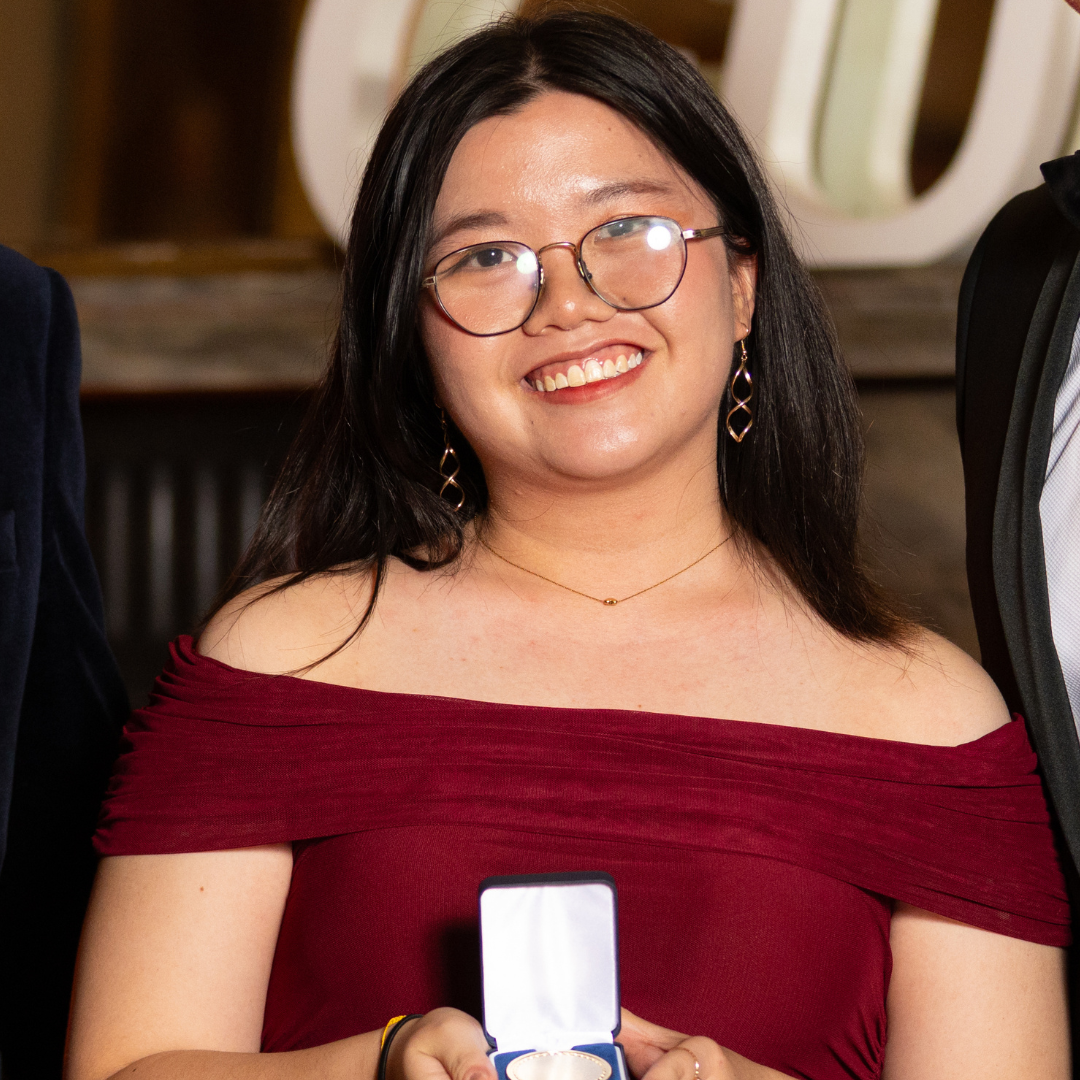
Clarissa Joanna Lim
Clarissa is the 2025 Global Winner for the category Chemical & Pharmaceutical Sciences from Nanyang Technological University
Read her award-winning paper on “A Lysosomal Glycohydrolase-Activatable Photosensitiser for Photodynamic Therapy in Glioblastoma ” in our library.
How does it feel to be here?
Honestly, it’s quite surreal. I never expected to win a Global Undergraduate Award. I spent a lot of time working on my project, but I didn’t realise it would have such an impact on the people around me. I’m really excited to be here, to share my project with others and learn more about the work everyone else is doing.
You were here yesterday as well, did you get to meet many of the other global winners?
Not everyone, but quite a few of them. We spent time exploring Dublin together, which was really nice. For many people, it was their first time in Ireland. I’ve been here before, but it was still a great experience.
What did you see?
We did the Book of Kells tour, which was really interesting. Trinity College Dublin is beautiful, and the whole experience was great. Our tour guide explained the history behind the Book of Kells and shared a lot about Irish history as well. I especially loved the Long Room; it was incredible.
What kind of conversations have you been having with people here?
Everyone is just really excited to be here. People come from so many different backgrounds, so when you first explain your project, they might not immediately understand it. But once you explain why the work matters and its wider impact, people really connect with it. It becomes clear why these kinds of conversations and research are important.
What would you say to someone thinking about applying for the Global Undergraduate Awards?
I’d say just submit your work. If you believe in what you’ve done and the effort you’ve put into it, then it’s worth sharing. Even if you’re unsure, there’s no harm in putting your work out there and showing people why you think it matters.In my case, I was developing a therapeutic agent for brain cancer, which is something that affects so many people. I believe the research is meaningful and important for patients and for society more broadly. Even just having the opportunity to contribute to that conversation has been really valuable.
What does the future look like for you?
I’m planning to do a master’s followed by a PhD. I’d love to study at one of the top research institutes in the world because I feel strongly about developing therapeutics for diseases, especially cancer. I want to be part of creating innovative treatments that genuinely help people. Eventually, I’d like to become a research scientist in industry.
Do you think that level of ambition is shared by the people you’ve met here?
Definitely. Everyone I’ve met is incredibly passionate about their work. For example, I spoke with Raegan, the Life Sciences winner, whose research is also connected to cancer therapeutics. You can really see how driven people are to discover something meaningful and contribute something important to humanity.
That’s wonderful. Thank you.
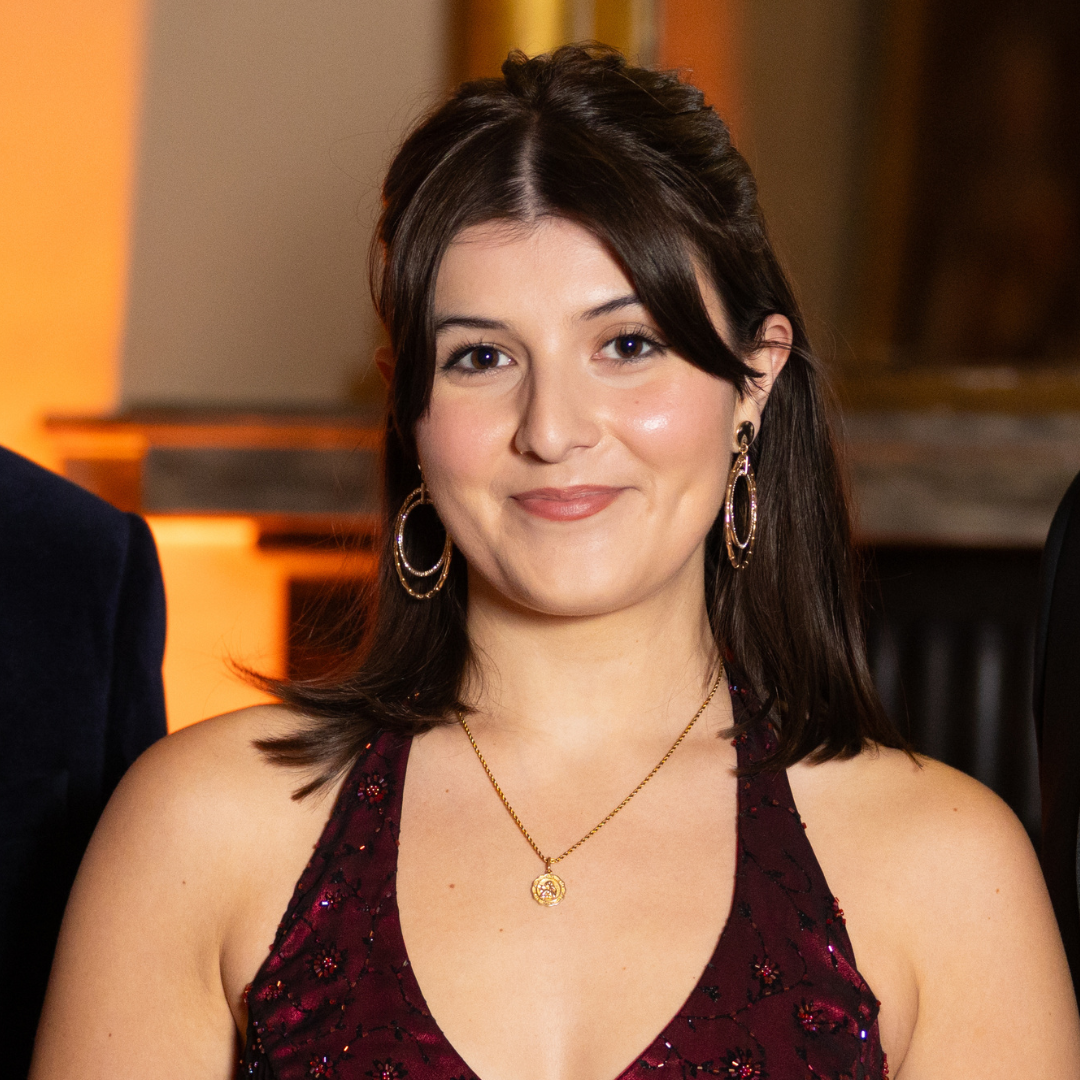
Madison Torkoff
Madison is the 2025 Global Winner for the category Music, Theatre & Film Studies from New York University.
Read her award-winning paper on “Beyond the Gaze: Performing Femininity and Staging the Self Through the Works of Clare Barron and Paula Vogel” in our library.
How does it feel to be a global winner?
It feels great. I’m so happy to be here, so happy to be in Dublin, and so happy to meet so many new people. It’s been an amazing experience.
What have you been doing over the last few days?
Mostly whatever the conference schedule has taken me to. We visited the whiskey distillery, which was really fun, and I went on the Book of Kells tour, which I found fascinating because I knew nothing about it beforehand. It’s been pretty packed, so I’ve just been going along with everything.
Have you managed to catch any plays?
Not yet, but I’m heading to London on Wednesday, so I’m hoping to see a lot of theatre there.
Was there anything over the last few days that really stood out to you?
I think I was surprised by how relevant my topic felt to people here. When I submitted my work, I knew I’d probably be one of the few theatre-focused people involved. But I was amazed by how many people from completely different backgrounds connected with what I had to say.
What was your project about?
I talked about why I believe theatre is a stronger medium for feminist art than film.
I agree.
Exactly. Ireland has such a strong theatre tradition as well, so it’s been really interesting having these conversations here.
Do you think theatre has become a little too traditional at times? Even experimental theatre can feel conventional now.
I understand that perspective. Berlin, for example, seems to be where a lot of truly experimental work is happening right now. NYU actually has a program there where students study Brecht and Stanislavski and immerse themselves in that theatre scene.
What surprised you about people’s reactions to your work?
I think it was how strongly people related to conversations around feminism and the portrayal of women. There are so many intelligent, ambitious women here working at the top of their fields, and I think film and theatre play a huge role in shaping how society views women culturally.
Especially now, when politics around the world seem to be leaning more conservative, it feels more important than ever to talk about how femininity is scrutinised both in real life and on screen.
What do you think you’ll take away from this experience?
Honestly, connecting with so many different people. I spend so much time in the acting world that I don’t often meet people working in completely different disciplines. It’s been really refreshing.
What I’ll take away most is the reminder that we’re not actually that different from one another. Some of the people here are working on subjects that seem impossibly advanced to me, but at the end of the day, we all share the same excitement and passion for what we do.
What would you say to someone thinking about applying?
Just do it. I submitted my paper almost as a last-minute decision on the day applications were due, with absolutely no expectations. And now I’m here. You really have nothing to lose.
You mentioned not having expectations going into this. What did you expect once you arrived?
I expected a room full of people who were excited about their work, excited to share knowledge, and excited to learn from other people—and that’s exactly what it’s been. I’ve really loved that atmosphere.
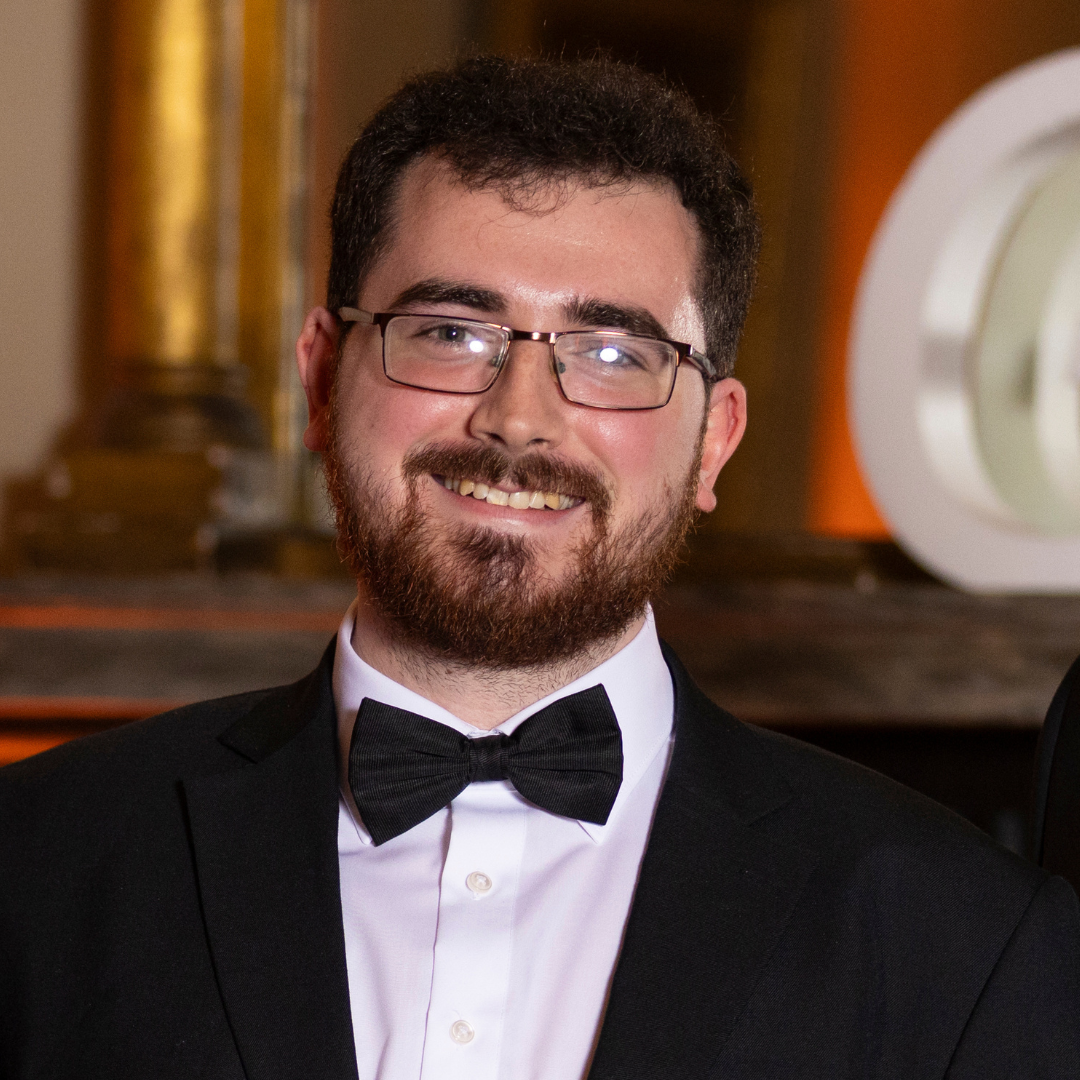
Rían Coady
Rian is the 2025 Global Winner for the category Philosophy from Trinity College Dublin.
Read his award-winning paper on “Mackie and Boyle on Self-Refutation ” in our library.
How does it feel to be a global winner?
It feels good, to be honest. It was a great moment getting the email. I missed the phone call unfortunately, but the voicemail was nice too. It’s just great to get the recognition and the sense of achievement, and also to have the chance to come back to Dublin. I was really delighted.
Where are you based now?
I’m doing a philosophy master’s at Oxford.
That’s a tough one.
Yeah, might need a break after this.
Philosophy can be a way of keeping yourself grounded, though.
Yeah, that’s true.
How have you been finding it, settling back into studying?
Yeah, six years in a row now, so I’m used to it a bit.
Why do you think events like this matter? What’s important about them?
For the Undergraduate Awards, I think you really need an in-person event like this. Of course, all the papers are available online, and you could just get an email saying congratulations but it doesn’t feel the same. You don’t get the same sense of achievement unless there’s a proper celebration, like the gala dinner.
It also gives you the chance to present your work and see people’s reactions. Otherwise, these papers might just sit on a website unnoticed. Here, you actually present them, get feedback, and meet people from all over who are interested in similar things.
For undergraduates especially, it’s valuable. Many people haven’t left their home university, so they may not know others working in their field elsewhere.
It’s a really diverse room philosophy being presented to people in business or mathematics, for example.
Exactly. It also forces you to rethink your own work. You’ve written something for specialists in your field, full of jargon, and suddenly you have to explain it to a room that isn’t specialised. That’s a really useful exercise. It helps you understand your own ideas better, and it gives others a way into philosophy they might not otherwise have had.
Did anything from other people’s work stand out to you? Any lightbulb moments?
There was a lot that went over my head some quantum mechanical stuff.
I did like the reverse psychology project that came right after mine. It wasn’t necessarily a new concept, but the application was interesting using it in advertising in a way I hadn’t considered before.
It’s interesting seeing real-world applications like that.
Exactly. You think of reverse psychology as something simple like persuading a child not to do something but then you see it applied in completely different contexts, like marketing.
What would you say to someone thinking of applying for the Undergraduate Awards?
Go for it 100%. There’s nothing to lose. It’s an easy process, and you might get a great outcome and a trip to Dublin out of it.
I’d especially encourage people who applied before but didn’t win apply again. You can refine your work and try again. That’s what I did: I submitted last year, didn’t get through, then submitted again this year and won the global award for philosophy. So it’s absolutely worth another shot.
That’s a really good point and not something people say often.
Yeah, I’ve noticed that too over the years some people win more than once. It shows you don’t necessarily have to get it on your first try.
Anything else that’s stood out over the last few days?
Aside from the presentations, just meeting people from completely different areas. I wouldn’t normally come across people working in psychology, marketing, or other disciplines if I stayed within philosophy.
It’s also been great meeting people from different countries—places I might never have encountered otherwise. I’ve really enjoyed that.
Brilliant, that’s great.
