
Things You Should Know: Beyond the Gaze, Performing Femininity and Staging The Self
Is the lens of a camera a tool for empowerment, or does it inherently turn the human body into a consumable product?
August 4, 2026
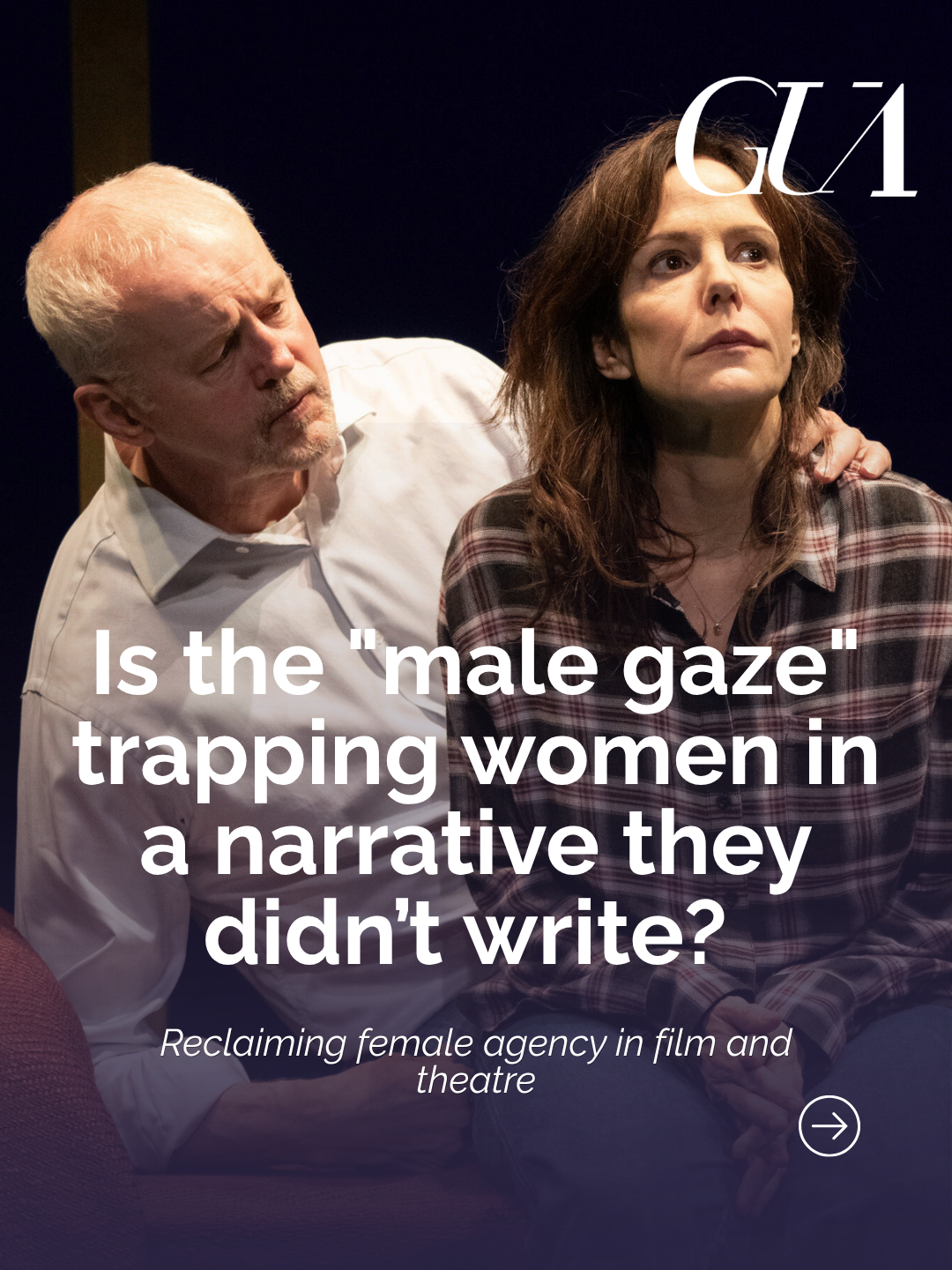
In this globally awarded, peer-reviewed study by Madison Torkoff from NYU “Beyond the Gaze: Performing Femininity and Staging the Self Through the Works of Clare Barron and Paula Vogel,” the research interrogates the persistent power dynamics that define how femininity is represented in contemporary performance
The research argues that the standard approach to “authentic” female agency in media is often fundamentally flawed by the medium itself. While modern cinema frequently claims to subvert patriarchal tropes, this study reveals that the “male gaze” a position of power that masculinizes the viewer and feminizes the performer remains deeply embedded in the cinematic form
Using the 2024 film Anora as a case study, the paper identifies how camera curation and directorial editing fragment the female body, filtering even the most vulnerable moments through an external, voyeuristic lens
The analytical evidence centers on a comparative study of two landmark theatrical works: Paula Vogel’s How I Learned to Drive and Clare Barron’s Dance Nation. The data uncovers that theatre’s “live, embodied nature” offers a radical resistance to the male gaze that film cannot replicate
Torkoff highlights specific techniques, such as Vogel’s use of a “memory play” structure and direct address, which grant the protagonist ownership over her own history
This boost in agency allows the character to dictate how she is remembered, forcing the audience to engage with her emotional reality rather than a sexualized spectacle
The study also identifies “ageless casting”—adults playing adolescents as a systematic tool for disorienting the spectator
In Barron’s Dance Nation, the use of adult bodies to inhabit the “messy” and “animalistic” realities of puberty—including blood and raw physicality—denies the audience easy consumption of young bodies
This theatrical choice creates an institutionalized barrier against voyeurism, demanding a new kind of spectatorship that listens to the body on its own terms
Ultimately, the study reveals that the most radical act in performance is not merely being seen, but seeing oneself, fully and without apology
To truly represent agency, practitioners must move beyond generic, curated standards to embrace the “shared authorship” and “confrontation” that only live embodiment can provide.
🔗 Want to learn more? Read the full paper free in our Library: https://gua.soutron.net/Portal/Default/en-GB/RecordView/Index/3474
The Library is the Global Undergraduate Awards’ free collection of globally recognised research from past winners. In our new series, Things You Should Know, we are spotlighting that work one paper at a time.
